How to Do Marketing for a Private School: The Conversion-First Order of Operations

The short answer
Do private school marketing bottom-up: fix tour-to-enrollment and inquiry follow-up first, then re-enrollment, then awareness and ads. Fixing conversion lifts every dollar you spend upstream.
On this page⌄
To do private school marketing that actually fills seats, work bottom-up, not top-down. Seal your tour-to-enrollment conversion and your inquiry follow-up first, then fix re-enrollment, then spend on awareness and ads. Most schools do the exact reverse: they pour budget into a new website and Facebook ads while qualified families slip out of a slow, generic follow-up process. That's how you raise your cost per enrolled student and still come up short on the number.
Think of it as plumbing. If the pipe leaks at the bottom, adding more water at the top just makes a bigger mess and a bigger bill. A school that converts 1 in 5 tours into enrollments gets twice the result from the same ad spend as one converting 1 in 10. Conversion is the multiplier on everything upstream, so it's where the first dollar of effort belongs.
The good news: the bottom of the funnel is the cheapest to fix and the fastest to pay off. You usually don't need more inquiries. You need to stop wasting the ones you already get.
What are the best school admission marketing ideas that convert, not just generate inquiries?
The best ideas aren't ideas at all. They're decisions about what happens after a family raises a hand.
Here's the order I'd fix, from the bottom up:
- Tour-to-enrollment. What happens during and after a visit? Is there a dated next step before the family leaves the building? A personalized follow-up referencing their kid by name and the thing they cared about?
- Inquiry-to-tour. When a form comes in at 9pm, does anyone respond before the family has moved on to the next school's site? Is the response specific to their fit, or a copy-paste "thanks for your interest"?
- Re-enrollment and retention. Keeping a family is cheaper than winning one. Most schools have a leak here they never measure.
- Awareness and ads. Only now does it make sense to buy more traffic, because now the traffic converts.
The conversion-first rule
Generic "open house" tactics, branded swag, and a refreshed logo feel like marketing. They don't move enrollment unless the conversion stages behind them hold. I broke down the actual arithmetic of this in enrollment conversion math, and it's worth running your own numbers before you approve a single new campaign.
What should go in a private school marketing plan vs. a list of tactics?
A list of tactics is "run Instagram ads, host an open house, send a newsletter." A plan starts with the funnel and the math.
A real private school marketing plan has four things a tactic list doesn't:
- Stage-by-stage conversion numbers. Inquiry to tour, tour to applied, applied to enrolled. You can't fix what you don't measure.
- A named owner and a response standard for each stage. Who replies to inquiries, how fast, with what.
- A target enrollment number tied to a budget. If you need 40 new students and you enroll 1 in 6 tours, you can work backward to how many tours and inquiries you need.
- A retention line. Re-enrollment is part of the plan, not an afterthought handled by the front office in May.
Tactics live inside that frame. They don't replace it. If your plan can't tell you the cost per enrolled student of each channel, it's a wish list. The full operating model behind this is in our school marketing enrollment system breakdown.
Should we hire a private school marketing director or use an agency?
Decide by which funnel stage is broken, not by which feels cheaper.
If your problem is system and process (no follow-up workflow, no CRM, no conversion tracking, no clear owner), you need an operator who builds funnels, or a specialized agency that has actually run school enrollment. That's a build job. A part-time marketing lead juggling ten other duties won't get to it.
If your problem is ongoing content and reporting (you have a system, you just need someone feeding it: tour follow-ups, email, social proof, monthly numbers), an in-house lead is often the better long-term fit and cheaper over time.
The trap is hiring a generalist agency that only runs ads. They'll happily spend your budget filling the top of a leaky funnel and report "impressions" while your enrollment number doesn't budge. Ask any agency to walk you through how they'd lift tour-to-enrollment before they pitch you a campaign. If they can't, they're an ad shop.
How do you advertise school admission without wasting ad spend?
Don't advertise until the funnel converts. Once it does, advertising gets dramatically more efficient because every click lands in a process that books tours and closes families.
When you do spend:
- Target by fit, not just radius. A family three miles away who wants what you don't offer is a wasted click.
- Send ads to a specific next step, a dated tour or an open house with a real agenda, not a generic homepage.
- Track to enrolled, not to lead. Cost per lead is vanity. Cost per enrolled student is the only number that pays your teachers.
- Retarget warm families, the people who toured but stalled. They're your cheapest enrollments.
The schools that waste the most ad spend are the ones that judge campaigns by inquiry volume. More inquiries through a broken follow-up just raises your cost per enrolled student. I lay out the full arithmetic in private school conversion math.
What does a real school marketing strategy template include?
A usable template is short and operational. Mine has five sections:
- Funnel snapshot. Current conversion rate at each stage, with last year's actuals.
- Target math. Enrollment goal worked backward into required tours and inquiries.
- Response standards. Who responds to inquiries, how fast, and with what message, fit-specific, not generic.
- Retention plan. Re-enrollment timeline and an early signal for at-risk families.
- Visibility audit. Where you show up in Google and AI search, and where you should.
That last one matters more every year. Families now shortlist schools by asking ChatGPT, Perplexity, and Google's AI Overviews for recommendations. In a Niche pulse survey of K-12 parents, Google (50%) and Niche (25%) were the dominant tools at the start of the school search, while only 4% used AI search engines and 1% used AI chatbots to research schools (Niche, 2024). If your school isn't cited at that research stage, you're invisible before the family ever fills out a form. Audit your citation presence the same way you'd audit your conversion rate.
The rate, not the volume
What actually gates your enrollment number
SML enrollment playbook
The takeaway
Stop buying marketing top-down. Pull your funnel numbers, find the biggest leak (it's almost always inquiry follow-up or tour-to-enrollment), and fix that before you approve another campaign. The cheapest enrollment growth you'll get this year is already sitting in inquiries you didn't convert.
Want a second set of eyes on where your funnel leaks before enrollment season? Book a discovery call.
Want this mapped to your school's enrollment funnel?
We'll spend 20 minutes on your funnel — where inquiries come in, where they stall, and the one or two fixes that move enrollment. It's a working session, not a sales call.
Book a discovery callFrequently asked questions
- What is the first thing a private school should fix in its marketing?
- Start at the bottom of the funnel: tour-to-enrollment and inquiry follow-up. Fixing conversion multiplies the return on every dollar you spend upstream. Only after those stages hold should you invest in awareness and paid ads.
- Why don't more school marketing ideas fill more seats?
- Ideas add top-of-funnel volume, but enrollment is gated by conversion rate. Pushing more inquiries through a leaky follow-up process just raises your cost per enrolled student without moving the headcount.
- Should we hire a marketing director, a part-time lead, or an agency?
- Decide by which funnel stage is broken. System and process gaps favor an operator-led setup or a specialized agency; ongoing content and reporting favor an in-house lead. Avoid generalist agencies that only run ads.
- How fast does follow-up need to be to convert inquiries to tours?
- Speed matters, but relevance matters more. A fast generic auto-reply still loses families. The win is a fast, fit-specific response that books the next concrete step, like a dated tour.
- Does AI search and Google visibility matter for private school admissions?
- Yes. Families now ask ChatGPT, Perplexity, and Google AI Overviews for school recommendations. If your school isn't cited at the research stage, you're invisible to those families. Audit your citation presence as part of the plan.
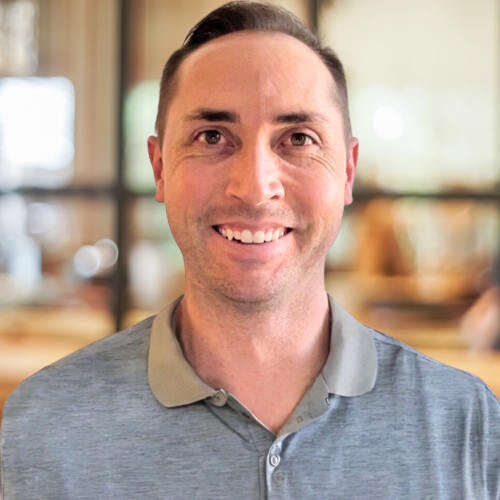
Clint Townsend
Founder of Six Minutes Late. We build enrollment-marketing systems for schools — independent, Montessori, faith-based, and language programs — turning inquiries into enrolled families with faster follow-up and tighter funnels.
Work with us →Get the next one in your inbox
Practical, no-fluff plays on filling seats and building enrollment demand — a couple of times a month. Built for people who actually run schools and programs.